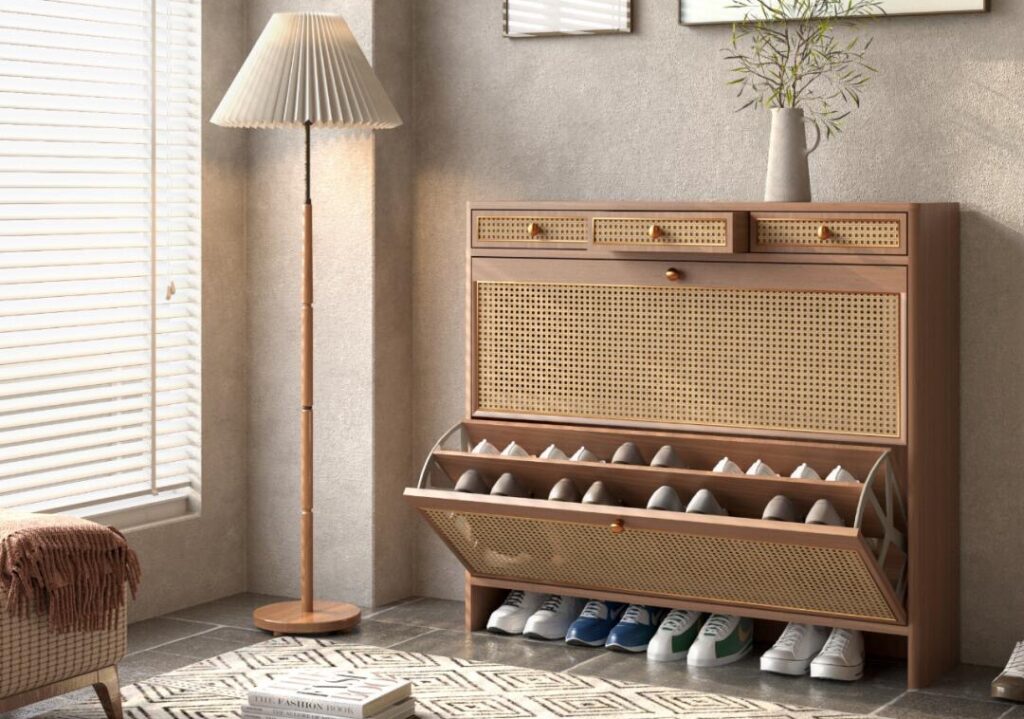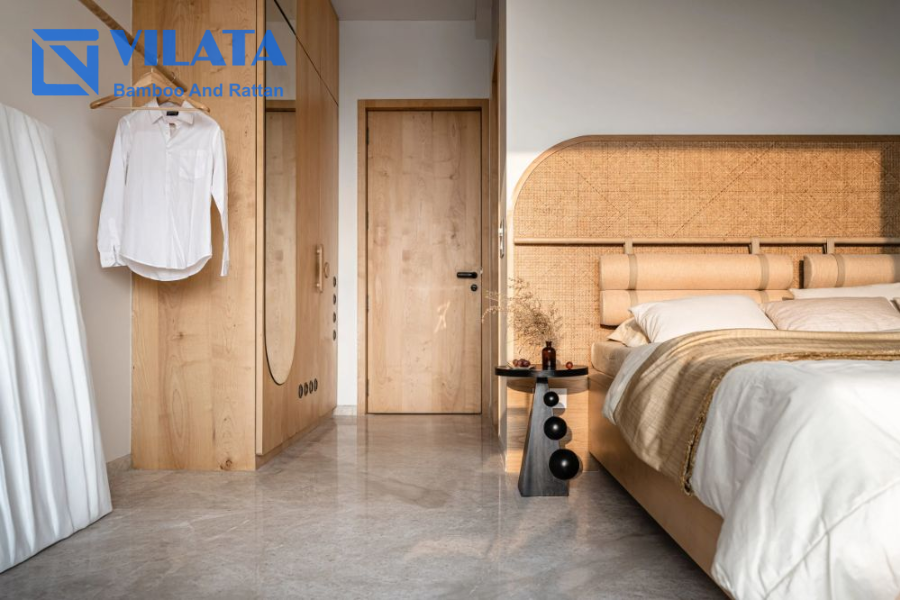
As we look toward the horizon of 2025, the interior design landscape is undergoing a significant transformation. The era of cold, flat minimalism is being replaced by “Tactile Modernism,” a movement that emphasizes touch, sustainability, and intricate patterns. At the forefront of this movement is radio weave rattan webbing.
This specific style, once a staple of mid-century electronics and colonial-era cabinetry, has emerged as the premier choice for architects and designers looking to bridge the gap between vintage charm and contemporary sophistication. Unlike traditional hexagonal patterns, the radio weave offers a structured, architectural feel that resonates with the clean lines of modern high-end homes.
The Anatomy of the Radio Weave Pattern
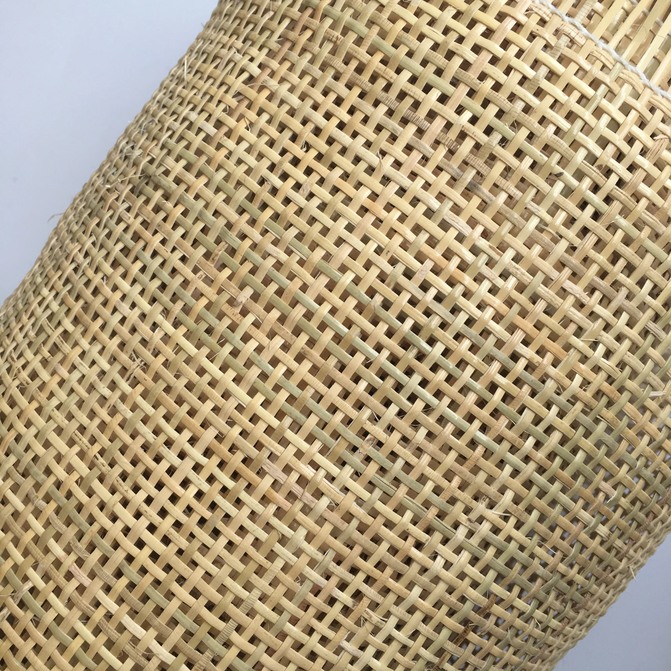
To understand the appeal of radio weave rattan webbing, we must examine its unique physical structure. Unlike the traditional “octagonal” or “hexagonal” cane webbing pattern that features circular-looking holes, the radio weave—also known as square weave or box weave—consists of a tight, perpendicular grid.
This grid creates a uniform, fabric-like appearance that projects a sense of organization and intentionality. The name stems from its historical application during the early 20th century as a decorative cover for radio speakers. The weave allowed sound to pass through while concealing the mechanical components inside. Modern furniture makers now leverage that same “semi-opaque” quality to balance ventilation and visual privacy, offering a functional advantage that more open weaves cannot match.
Why Radio Weave is Dominating Contemporary Design
Several key design trends drive the resurgence of this vintage cane webbing style. First, the “Japandi” aesthetic—a fusion of Japanese minimalism and Scandinavian functionality—heavily influences current projects. The clean, geometric lines of the radio weave fit this framework perfectly, providing texture without the visual “fussiness” of more ornate patterns.
Second, the global market increasingly adopts natural rattan mesh as a sustainable alternative to plastics and metals. Environmentally conscious consumers actively seek materials that are renewable and biodegradable. Rattan, a fast-growing vine, fits these criteria excellently. In 2025, we see architects using radio weave not just as a secondary accent, but as a primary structural element in high-end cabinetry, room dividers, and architectural wall paneling.
Creative Applications in Modern Home Spaces

In 2025, designers push the boundaries of how to utilize natural rattan mesh. Many move away from the “all-natural” look in favor of “High-Contrast Rattan.” This technique involves staining the radio weave in deep ebony or charcoal tones and pairing the mesh with light oak or walnut frames.
In the kitchen, radio weave replaces traditional shaker-style cabinet inserts. This provides a “breathable” storage solution for pantry items and linens, which prevents mustiness while adding a sophisticated layer of texture. In the bedroom, oversized headboards featuring radio weave rattan webbing become statement pieces. These headboards offer a soft, organic backdrop that complements both modern bedding and antique accents.
Lighting and Architectural Accents
Beyond large furniture pieces, the radio weave pattern makes significant waves in lighting design. Because the grid structure breaks up light, it casts beautiful, soft shadows that create an inviting atmosphere in living spaces. Designers layer this material over glass pendants or use it to create custom wall sconces.
The key to making this trend work in a modern home lies in contrast. When you pair the organic, artisanal feel of the weave with sleek materials like polished brass, matte black steel, or marble, you prevent the space from looking too “rustic.” This approach keeps the design firmly in the realm of luxury. This versatility explains why both DIY hobbyists and professional interior firms favor radio weave rattan webbing.
Selecting and Installing High-Quality Radio Weave
For those looking to incorporate this trend into their own projects, selecting the right grade of material is paramount. Look for radio weave that has a consistent color and minimal “hairiness” (loose fibers). High-quality natural rattan mesh should feel smooth to the touch and have a slight natural sheen.
When installing, remember that the tight grid of the radio weave is less forgiving than open patterns; any misalignment will be immediately obvious to the eye. Precision in squaring the material to the frame is the hallmark of a professional installation. Before fitting, the material should be soaked to ensure flexibility, but unlike the hexagonal weave, the radio weave requires very careful handling to keep the horizontal and vertical strands perfectly 90 degrees to each other.
Maintenance and Longevity of the Grid Structure
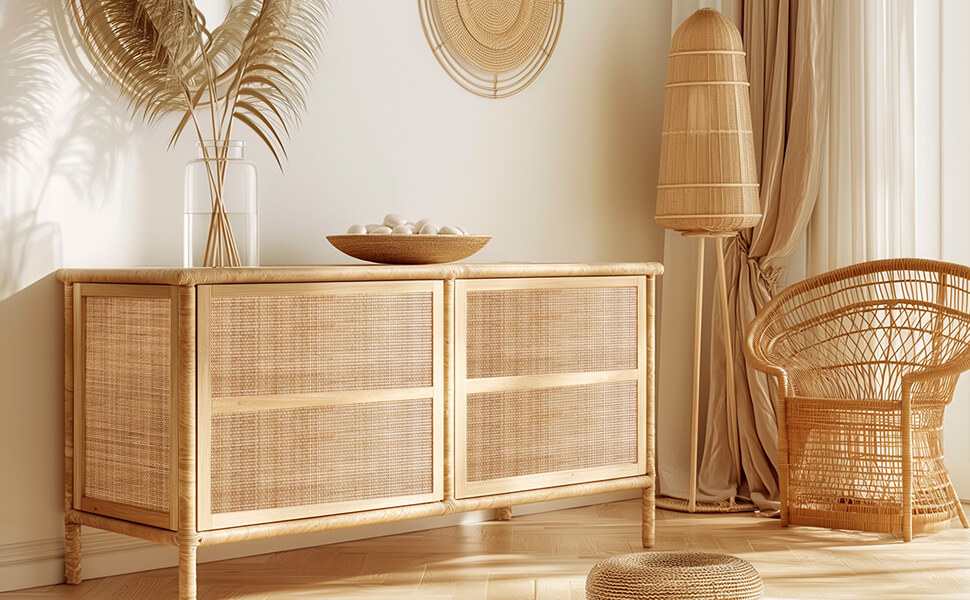
One of the advantages of the radio weave pattern is its inherent structural strength. The dense, overlapping strands provide more support than more open patterns, making it less prone to sagging over time. However, to maintain its beauty, it should be kept away from direct heat sources which can cause the natural fibers to shrink too much and become brittle.
A light dusting with a soft brush or a vacuum with a brush attachment is usually enough to keep the grid clear of debris. For a deeper clean, a slightly damp cloth with a mild soap solution can be used, but always ensure the material is allowed to air dry completely to prevent mold growth within the tight gaps of the weave.
Conclusion: A Timeless Trend for the Future
The radio weave rattan webbing trend of 2025 demonstrates the enduring power of natural materials. By combining vintage cane webbing history with modern geometric precision, this pattern offers a unique solution for those who want a home that feels both grounded and contemporary.
Whether you use it to mask storage, add texture to a wall, or create a statement furniture piece, the radio weave brings a sense of calm, organized beauty to the chaos of modern life. As we move further into the decade, we expect this pattern to evolve even further, solidifying its place as a staple in the high-end interior design toolkit.