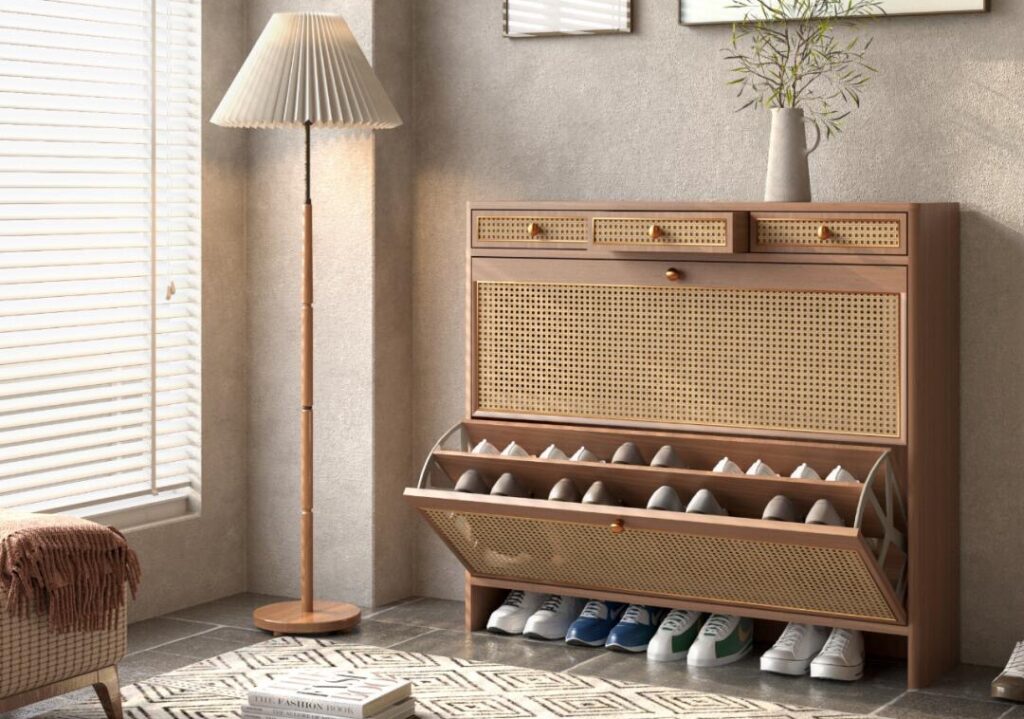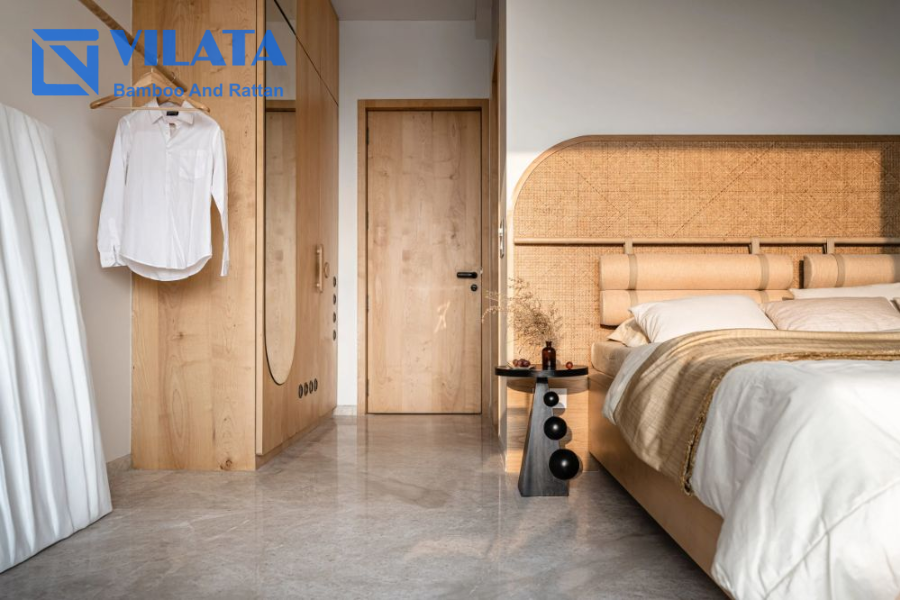
Natural rattan cane material is much more than a passing interior design trend. In fact, it is a centuries-old, sustainable resource. It forms the essential backbone of basketry and fine furniture making worldwide. Many people often mistakenly call it “wicker.” However, you should know that wicker refers only to the weaving technique. In contrast, rattan is the actual climbing vine native to tropical regions. Designers prize this natural rattan cane material for its incredible strength and lightweight nature.
Today, the resurgence of rattan in modern interiors speaks volumes about its enduring appeal. It brings warmth, texture, and an organic element to any space. Nevertheless, beneath these common terms lies a complex array of specialized components. Each part of the vine serves a specific purpose. Therefore, craftsmen and DIY enthusiasts must understand these differences. This knowledge ensures the integrity and beauty of your final product.
In this comprehensive guide, we will go beyond the finished chair. We will examine the different parts of the palm in detail. Specifically, you will learn why the distinction between the outer skin and the inner core is vital. This guide is perfect for anyone sourcing rattan fibre, rattan core, or specialized binding cane.
Understanding the Rattan Palm: Biological Origins

To use rattan cane material effectively, you must first understand the plant itself. Rattan belongs to the palm family (Calamoideae). It is a climbing plant that grows rapidly in the tropical jungles of Asia and Africa. Because it grows so fast, it is a highly renewable resource.
The Growth Pattern of Rattan
The rattan vine uses small hooks to climb up other trees. Some vines can reach lengths of over 100 meters. This long, continuous growth provides the long strands we use in furniture. Unlike wood, rattan has a solid core rather than a hollow center. This biological structure gives it unique flexibility. Consequently, it is the premier choice for curved furniture designs.
Sustainability Factors
Natural rattan cane material is an eco-friendly choice for several reasons. First, it grows much faster than hardwood trees. Second, its harvest encourages the preservation of forests. Since rattan needs trees to climb, local communities protect the rainforest to keep the rattan alive. Therefore, choosing this material supports global conservation efforts.
The Anatomy of Rattan: Cane vs. Core
The rattan plant provides two distinct and essential materials. These are the tough exterior skin and the softer interior fiber. Each part has a completely different chemical and physical profile.
1. Cane (The Outer Skin)
Cane consists of the smooth, non-porous outer bark of the vine. Workers peel this bark away in long, thin ribbons.
-
Key Characteristics: It is extremely durable and naturally glossy. Because it has a high silica content, it resists water and splintering. It maintains its shape well when dry. Furthermore, it does not take stains or paints easily.
-
Product Forms: This material primarily produces cane webbing and binding cane.
-
Best For: Use cane for surfaces that need to breathe but also need to support weight.
2. Core (The Inner Fiber)
Once you remove the outer skin, you expose the inner material. We call this the rattan core.
-
Key Characteristics: The rattan core is highly absorbent and porous. It becomes extremely flexible when you soak it in water. Unlike the skin, the core takes dye and stain very easily. It has a matte, slightly “hairy” texture before sanding.
-
Product Forms: Manufacturers slice the core into round, flat, or oval shapes.
-
Best For: The core is the primary material for dense weaving and creating structural shapes in wicker furniture.

Deep Dive into Natural Rattan Cane Material Types
1. Rattan Core and Rattan Fibre (Round)
This is the foundational material for most basketry. We categorize these coils strictly by their diameter in millimeters. In the industry, people often refer to these continuous lengths as rattan fibre.
-
Small Diameters (1mm – 2.5mm): These fine rattan fibre strands are perfect for intricate lace-like weaving. You will often see them in high-end decorative baskets.
-
Medium Diameters (3mm – 5mm): This size is the “workhorse” of the industry. It provides the warp and weft for most chair seats.
-
Large Diameters (6mm – 10mm+): We use these as “stakes” or “spokes.” They provide the vertical skeleton that holds the shape of a basket.
2. Rattan Strip (Flat and Flat-Oval)
A rattan strip is a core material cut into a non-round shape. This provides a distinct aesthetic advantage for modern furniture.
-
Flat Strips: These are flat on both sides. They cover large areas quickly. For example, you can wrap a wooden table leg with a rattan strip to give it a textured appearance.
-
Flat-Oval Strips: These are flat on the bottom and rounded on the top. They offer a more dimensional look. They are very popular for weaving the sides of sturdy laundry baskets.

3. Rattan Rope
The term rattan rope denotes a very heavy-gauge material. Sometimes, it consists of several core strands twisted together.
-
Durability: It is much stronger than a single strand. Therefore, rattan rope is ideal for handles on heavy logs or garden baskets.
-
Aesthetic: It provides a rustic, coastal vibe. Many designers use it to create textured borders on mirrors or headboards.
4. Binding Cane
Binding cane is a highly specialized product. It comes exclusively from the outer skin of the vine.
-
Purpose: Its primary use is finishing and securing. When you finish a chair, you might have ugly staples or nail heads. You wrap the binding cane around these areas to hide them.
-
Visual Contrast: Since binding cane is naturally shiny, it creates a beautiful contrast. It looks professional against the matte rattan core.
Detailed Application Guide
Furniture Restoration with Rattan Fibre
If you are restoring an antique chair, accuracy is your most important goal. You must match the original rattan fibrediameter exactly.
-
The Spline Method: Some chairs have a groove around the seat. You press a pre-woven sheet of natural rattan cane material into this groove. Then, you secure it with a matching spline.
-
The Hand-Caning Method: This is the traditional way. You weave individual strands through small holes drilled in the frame. For this, you need high-quality, thin rattan fibre.
Modern DIY Projects

You do not need to be a master weaver to use rattan cane material. Many modern projects use the “wrapping” technique.
-
Preparation: Buy a simple wooden frame or drawer handle.
-
Selection: Choose a wide rattan strip.
-
Execution: Glue the end of the strip to the back of the frame. Wrap it tightly around the wood.
-
Finishing: Use binding cane to secure the ends. This simple process transforms a basic item into a designer piece.
Preparation and Handling: The Secret of Water
You cannot work with natural rattan cane material while it is dry. If you try to bend dry rattan, it will snap immediately. Therefore, proper hydration is the key to success.
The Soaking Process for Rattan Core
-
Rattan Core: Submerge the core in warm water for about 5 to 7 minutes. The water makes the fibers expand and become soft. However, do not soak it for too long. If the material becomes “mushy,” it may lose its strength.
-
Cane Webbing: This needs slightly more time. Usually, 5 to 7 minutes is enough to make it pliable.
-
Binding Cane: A quick dip is all you need. Since it is thin, it absorbs water very fast.
Drying and Shrinkage
This is the most important tip for beginners. Rattan shrinks as it dries. Consequently, you should weave your project while the material is still damp. As the water evaporates, the rattan pulls tight. This creates a drum-tight, professional finish.
Maintenance: How to Care for Your Rattan
Natural rattan cane material is durable, but it requires specific care.
-
Avoid Dry Air: Rattan loves humidity. If your home is very dry, the rattan fibre may become brittle. You can use a damp cloth to wipe it down once a month.
-
Cleaning: Use a soft brush to remove dust from the crevices. For stains, use a mixture of mild soap and warm water.
-
Sunlight Protection: Direct sunlight can bleach the natural color. It can also dry out the rattan core. Therefore, keep your furniture away from large, unshaded windows.
-
Mildew Prevention: Never leave rattan in a soaking wet environment without airflow. If it stays wet for too long, mold will grow in the porous interior.
Why Choose Natural Over Synthetic?

Many stores sell “all-weather” rattan. This is actually plastic. While plastic is good for outdoor use, it cannot match the soul of natural rattan cane material.
-
Tactile Quality: Natural rattan fibre feels warm to the touch. In contrast, plastic feels cold and artificial.
-
Repairability: You can repair natural rattan. You can sand it, stain it, and replace individual broken strands of rattan core.
-
Environmental Impact: Natural rattan is biodegradable. It returns to the earth at the end of its life. Synthetic rattan will sit in a landfill for centuries.
Advanced Weaving Techniques
To truly master natural rattan cane material, you must learn about tension. Different materials require different levels of pull.
Working with Rattan Strip
When using a rattan strip, you must maintain constant tension. If the strip becomes loose, the pattern will look uneven. Use clamps to hold the material in place while you work.
Using Rattan Rope for Accents
Rattan rope is often too thick for tight weaving. Instead, use it for borders. You can sew it onto the edge of a basket using thin rattan fibre. This adds a professional, high-end look to basic designs.
Conclusion: The Future of Rattan
From the fine detailing of binding cane to the structural power of rattan rope, this material is a gift from nature. It combines sustainability with unmatched elegance. By understanding the science of the core and the skin, you become a better creator.
Whether you are repairing a family heirloom or building something new, choose your materials wisely. Look for consistent diameters in your rattan fibre. Always prepare your rattan core with proper soaking. With patience, you can create pieces that will be cherished for generations. The natural versatility of the rattan palm ensures its place in the history of design forever.