

The pursuit of high-performance materials that balance natural warmth with refined craftsmanship has become central to luxury interior design. Among these materials, natural rattan cane webbing stands out as a globally trusted solution, evolving from its traditional roots into a sophisticated element widely specified in commercial, hospitality, and upscale residential projects. Woven from the outer skin of the rattan vine, cane webbing offers an elegant combination of tactile appeal, visual lightness, and long-term durability. For architects and developers designing resorts, boutique hotels, retail flagships, or premium living spaces, this material introduces organic softness without compromising contemporary aesthetics. This article explores the composition of rattan cane webbing, its key advantages, its applications in luxury sectors, maintenance essentials, and the importance of reliable global sourcing—concluding with Vilata’s specialized export capabilities.
1. The Anatomy of Authenticity: What Defines Natural Rattan Cane Webbing

- Rattan refers to the entire vine pole, commonly used in furniture framing.
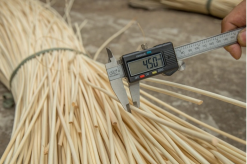
- Cane is the tough, glossy outer skin stripped from the rattan pole—naturally non-porous, abrasion-resistant, and exceptionally durable.
2. Elevating Aesthetics: Why Designers Prefer Natural Rattan Cane Webbing For Premium Projects.
Rattan cane webbing is favored in luxury design for its ability to enhance both visual and tactile quality.A handcrafted, artisanal presence
Its woven construction introduces a layer of craftsmanship that contrasts beautifully with the clean, sharp lines common in contemporary architecture. This handmade quality elevates the perceived value of interiors, signaling attention to detail and an appreciation for natural materials.Versatile visual softness
Compatibility with global design trends
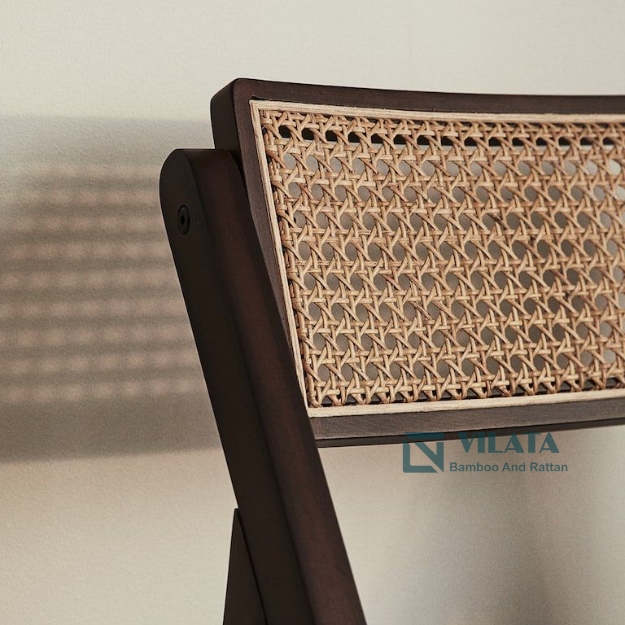
Rattan cane webbing integrates seamlessly with popular aesthetics such as:- Japandi minimalism
- Modern tropical and resort chic
- Nature-inspired, biophilic interiors
3. Unparalleled Benefits: Core Strengths of Natural Rattan Cane Webbing
Superior ventilation
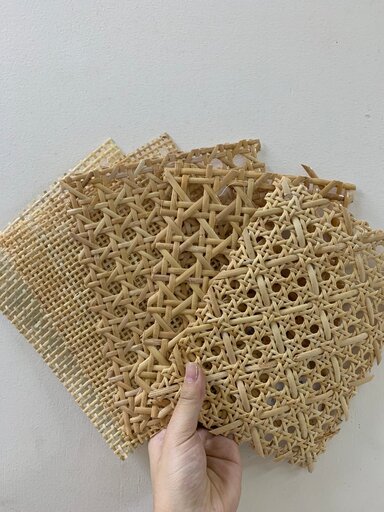
The signature hexagonal or mesh weave enables continuous airflow. In humid climates or in enclosed spaces, this ensures:- reduced moisture buildup
- extended lifespan of stored items
- natural cooling for cabinets housing electronics
Durability from natural structure
- resists wear and deformation
- maintains tension over time
- performs reliably in high-traffic commercial settings
Sustainability and responsible sourcing
Rattan is one of the fastest-regenerating natural materials in tropical forests. It:- grows without chemical fertilizers
- requires minimal land
- does not contribute to deforestation
Lightweight and versatile
Compared to solid wood or composite panels, cane webbing fabric significantly reduces weight. This translates into:- easier installation
- improved handling during manufacture
- lower shipping costs—important for international procurement
4. Natural Rattan Cane Webbing Transforming Spaces: Applications in Hospitality, Retail and Commercial Environments
Thanks to its balance of beauty and practicality, rattan cane webbing has become a staple in upscale commercial design.Resorts and Hotels

- Headboards for an airy, tropical feel
- Wardrobe and cabinet doors for lightweight functionality
- Decorative partitions in lobbies, lounges, and restaurants
Retail and Boutiques
Designers use cane webbing to convey natural luxury and craftsmanship:- back panels for shelving and display systems
- feature walls or decorative façades
- fitting room detailing and service counter accents
Restaurants, Cafés, Spas, and Wellness Spaces
Cane webbing contributes to calming, biophilic environments through:- booth and table dividers
- custom light fixtures
- acoustic-friendly wall treatments
5. Preserving Investment: Maintenance and Care Essentials Natural Rattan Cane Webbing
Maintaining rattan cane webbing is simple but important for long-term performance.Regular cleaning
Use a soft-bristle brush or a vacuum with a brush attachment to gently remove dust from the weave. This prevents buildup and maintains the material’s natural sheen.Humidity management
Cane webbing responds to moisture:- Excess dryness may lead to brittleness.
- Excess moisture may cause sagging.
Protective finishing for commercial use
For hospitality and high-traffic applications, a clear sealant or lacquer is recommended. It protects against minor spills, humidity fluctuations, and daily wear.6. Global Sourcing Excellence: Procuring Premium Natural Rattan Cane Webbing from Vilata
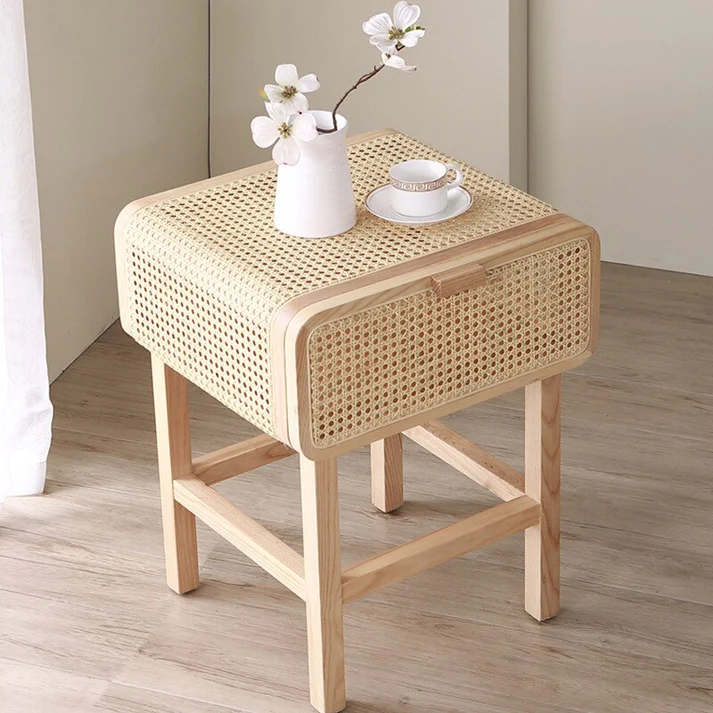
- uniform weave and color
- optimal moisture levels
- standard export packaging
- artisan craftsmanship supported by ethical sourcing


