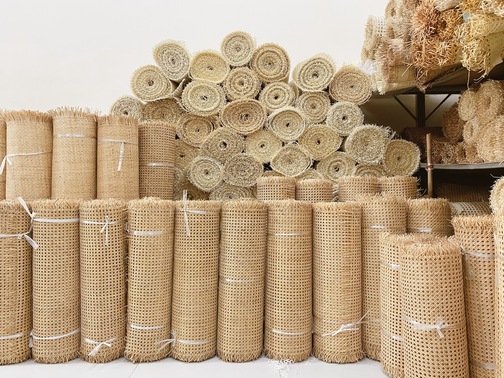
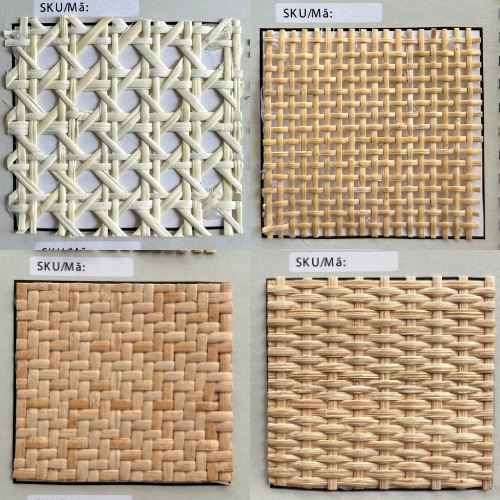
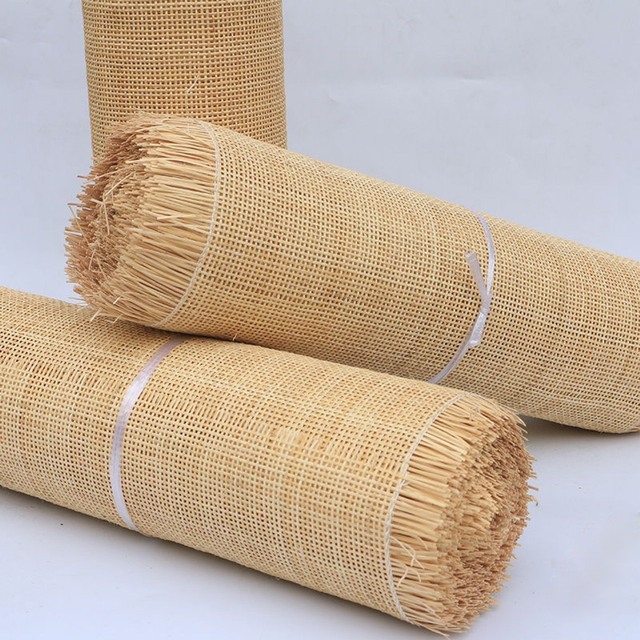
Designers are prioritizing sustainable and textured materials. The interior architecture community sees a powerful resurgence of natural materials. Cane webbing furniture is a strategic choice among these materials. It offers a perfect blend of historic charm, tactile quality, and modern versatility. ARCH and PD reimagine this material today. It often associates with mid-century modern and classic Thonet designs. They use it as a key element in high-end commercial and residential spaces.
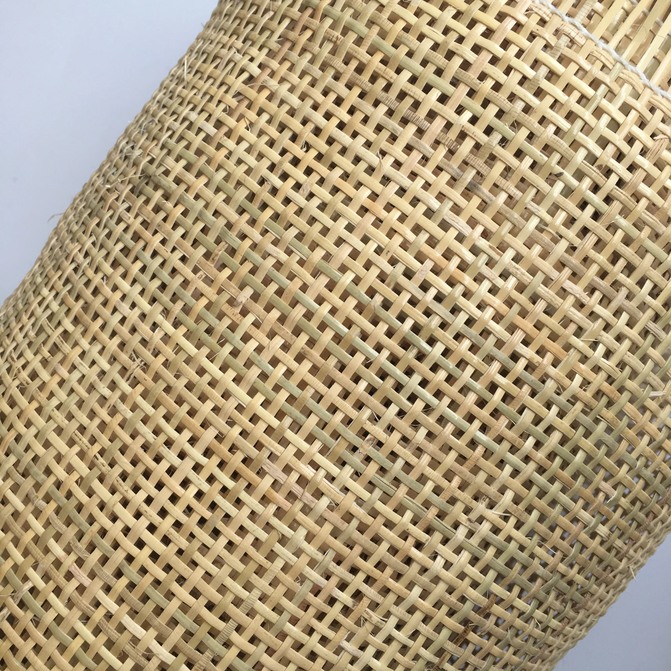
Cane webbing comes from the climbing rattan palm. It uses the outer skin (rattan) or inner core (cane). Artisans meticulously weave it into open mesh sheets. We call these cane webbing panels. Unlike solid rattan, the open weave provides visual lightness and breathability. This article explores strategic applications and inherent benefits. It covers sourcing considerations. Cane webbing becomes an indispensable material for B2B interior projects. These include boutique hotels and luxury residential developments.
Elevating Key Furniture Pieces
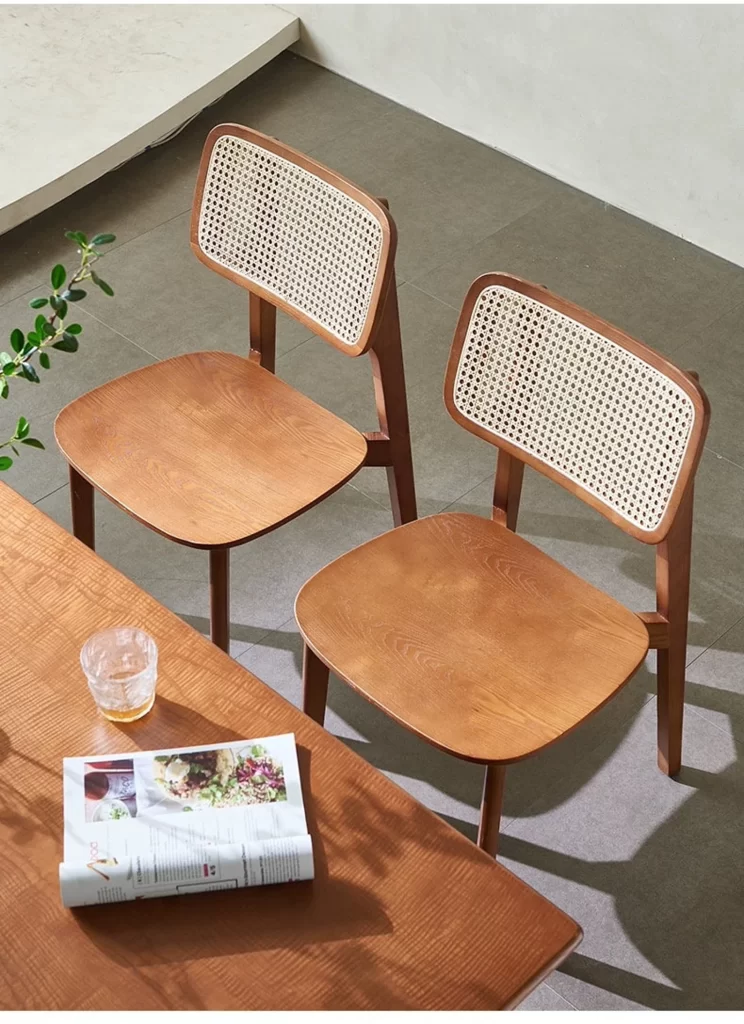
Cane webbing’s primary use redefines furniture pieces. It transforms utility into artistry. ARCH and PD specify materials for B2B projects. They must recognize cane webbing’s power. It elevates standard items into signature pieces.
The Cane Webbing Furniture Revival
A design philosophy drives the current revival. This philosophy favors simplicity, natural materials, and handcrafted details. Contemporary cane webbing furniture avoids simple bentwood chair reproductions. It uses clean lines and contrasting frames. Finishes are sophisticated. This achieves a look both grounded and luxurious.
Seating Solutions: Aesthetic and Ergonomic Integration
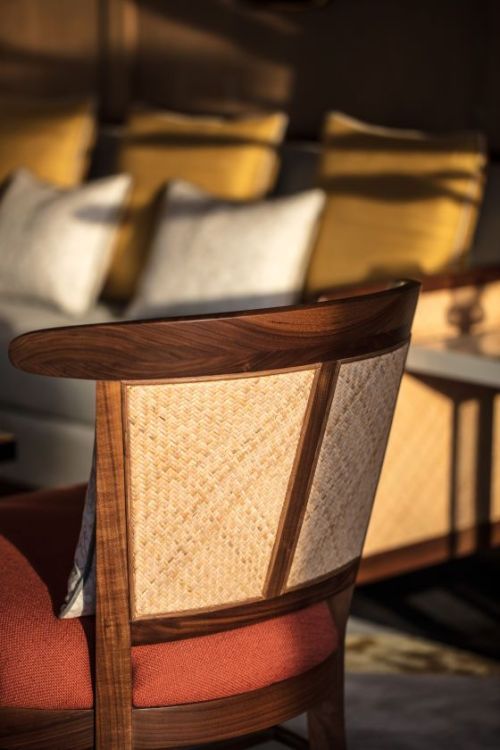
The application of cane webbing for chair design is perhaps the most iconic use. For commercial environments, cane offers distinct advantages.
- Visual Lightness: Cane backrests prevent seating from feeling heavy. This applies to high-density areas like restaurants. It maintains an open, airy visual flow.
- Tactile Comfort: Woven cane’s natural flex provides subtle ergonomic support. It offers a more comfortable, less rigid experience than solid wood or plastic.
- Design Versatility: Cane webbing for chair fits dining sets, bar stools, and lounge chairs. ARCH chooses the weave pattern (e.g., six-way weave) to customize texture. This matches the project’s specific design intent.
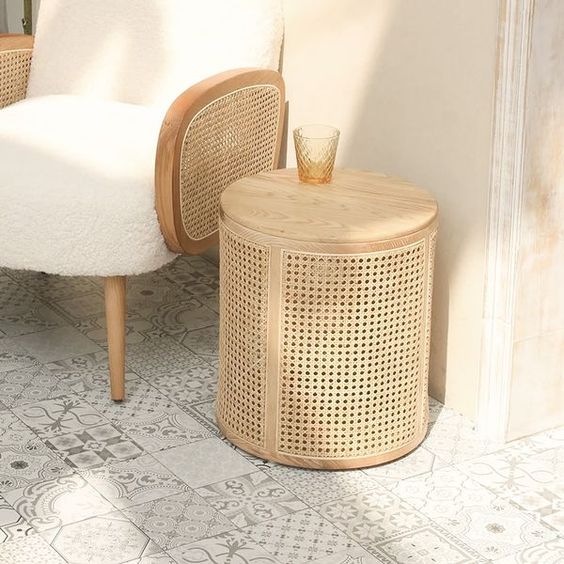
Strategic Storage and Display: The Ventilated Cabinet
The use of cane webbing for cabinet design is a sophisticated and functionally superior choice for modern storage solutions. The mesh material addresses several B2B requirements.
- Aesthetic Concealment: Cane panels elegantly obscure cabinet contents. They simultaneously introduce a complex textural element. This breaks the monotony of large flat surfaces.
- Ventilation for Electronics: The open weave is crucial for media consoles or custom millwork. It allows heat from electronic equipment to dissipate efficiently. This extends equipment lifespan. It removes the need for obtrusive venting cutouts.
- Linen and Apparel Storage: Cane webbing for cabinet doors ensures continuous air circulation. This is ideal for high-humidity wardrobes. It prevents moisture build-up, mildew, and stale odors.
Bedroom and Interior Accents
Beyond seating and storage, cane webbing is strategically deployed in headboards and nightstands to add a layer of refinement and organic contrast against fabrics and bedding, contributing to the “boutique” feel sought after in hospitality and luxury residential projects.
Creative Architectural and Decorative Applications
The material’s potential extends beyond traditional furniture, offering innovative solutions for interior architecture and millwork.
Integrated Partitions and Doors
The application of cane webbing for door systems is a rising trend, particularly in custom joinery.
- Sliding and Pocket Doors: Integrating cane panels transforms interior sliding door frames. A solid barrier becomes a light filter and spatial modulator. This separates living areas from office nooks or closets. It maintains connectivity while providing visual privacy.
- Closet Doors: Replacing solid insets with cane panels upgrades high-end cabinetry. Cane webbing for door designs instantly upgrades the closet system. It offers the ventilation benefits mentioned for cabinets.
- Room Dividers: Cane creates freestanding or ceiling-mounted screens. These act as semi-private partitions in open-plan offices. They define zones without disrupting spatial integrity or light transmission.
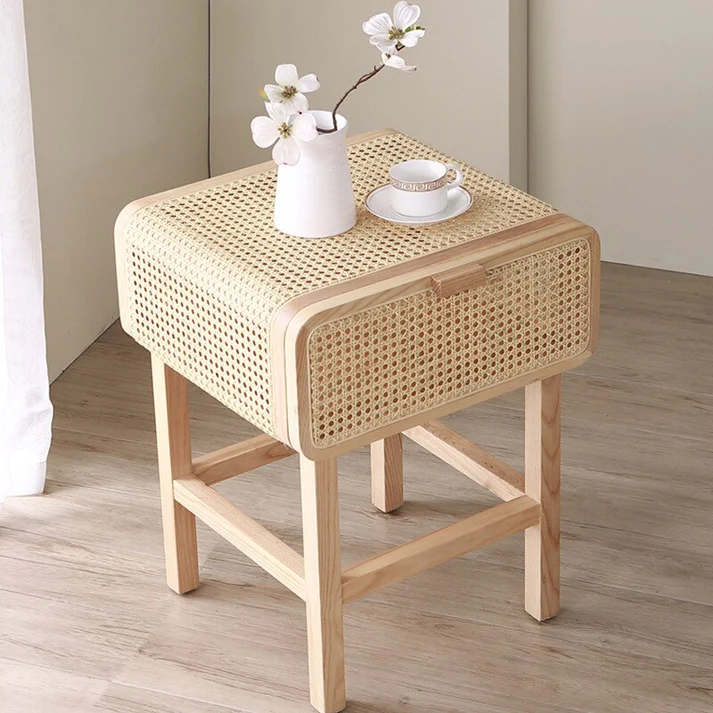
Bespoke Applications and Cane Webbing Panels
For ARCH and fabricators, the availability of large, quality cane webbing panels opens the door to extensive custom work:
- Wall Cladding: Utilizing cane panels as textural wall treatments or acoustic dampeners in feature areas, reception lobbies, or private dining rooms.
- Ceiling Treatments: Incorporating cane panels into suspended ceiling systems to introduce natural texture and hide lighting infrastructure discreetly.
- Custom Retail Displays: Creating unique, easily replaceable panel inserts for retail fixtures that offer a flexible and high-design backdrop for merchandise.
The Functional and Aesthetic Benefits for B2B
Choosing cane webbing is a decision rooted in both design merit and commercial viability.
Texture, Warmth, and Style Consistency
Cane webbing instantly injects organic warmth and sophisticated texture, aligning perfectly with popular design aesthetics:
- Japandi: The material’s simplicity, natural colour, and delicate structure complement the minimalist, textural focus of the Japandi style.
- Bohemian and Rustic: Cane provides a grounding, handcrafted element essential to these looks, but its modern application lifts it above simple cottage-core.
- Acoustics: While not a primary acoustic solution, the textured, uneven surface and permeable nature can contribute marginally to sound diffusion in close quarters.
Durability and Maintenance in Commercial Settings
Contrary to its delicate appearance, high-quality cane, when sourced correctly, is highly durable.
- Longevity: Properly treated cane, often paired with robust hardwood frames, withstands the wear and tear of moderate commercial use, particularly for items like cane webbing for cabinet doors that experience less direct impact than seating surfaces.
- Ease of Repair: Unlike solid materials that require extensive repair if scratched, a cane panel can often be repaired or replaced relatively easily, a significant factor for property maintenance budgets.
Sustainability and Sourcing
In an era of stringent environmental requirements, rattan/cane is a highly attractive option:
- Renewable Resource: Rattan palms grow rapidly and can be harvested without destroying the forest, making it a more sustainable option than many hardwoods.
- Low Embodied Energy: Processing rattan into cane webbing panels requires significantly less energy than manufacturing synthetic or metallic materials. ARCH should specify cane products that are certified for responsible sourcing to meet project sustainability goals.
Sourcing and Quality Control
For large-scale projects, consistency and quality are paramount.
Sourcing Materials
ARCH must work with suppliers who offer premium-grade cane webbing panels with uniform weave tightness, consistent colour grading, and minimal flaws. Key considerations include:
- Weave Consistency: A tight, even weave is essential for structural integrity and visual appeal, especially for items under stress like cane webbing for chair backs.
- Pre-Cane vs. Wet-Cane Application: Understanding the installation method is necessary for millwork planning. Modern cane webbing panels are typically specified for efficiency.
Maintenance and Lifespan

Providing clear care instructions is vital for PD:
- Moisture Management: Cane requires a certain level of humidity to maintain flexibility. For cane webbing furniture in extremely dry environments, occasional light misting or wiping can prevent brittleness and cracking.
- Cleaning: Regular dusting and light vacuuming are usually sufficient. Avoid harsh chemical cleaners that can strip the natural oils and weaken the fibers. Simple steps for replacing or tightening cane on damaged cane webbing for chair backs should be part of the operational manual.
Conclusion
Cane webbing is more than a fleeting design trend; it is a timeless material that offers tangible functional and aesthetic advantages to modern interior projects. For Architects and Project Developers, specifying high-quality cane webbing furniture, integrating cane webbing for door designs, and utilizing bespoke cane webbing panels allows for the creation of spaces that are simultaneously visually engaging, highly functional, and strategically aligned with contemporary demands for sustainable, textured design. By understanding its versatility and specifying its application with precision, ARCH and PD can leverage cane webbing to deliver truly distinguished and commercially successful interiors.
We invite collaboration on your next project to explore how cane webbing can elevate the perceived value and unique character of your space
Contact Information
VILATA COMPANY LIMITED
Office 02, Pearl Plaza Building 561A Dien Bien Phu, Ward 25, Binh Thanh District Ho Chi Minh City, Vietnam
Website: rattanvn.com
Email: min.vilata@gmail.com
Phone: +84 394 090 698
Facebook: (1) Facebook