


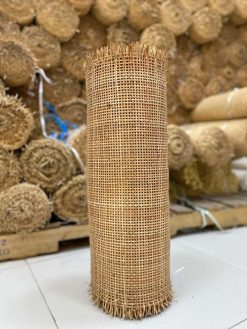


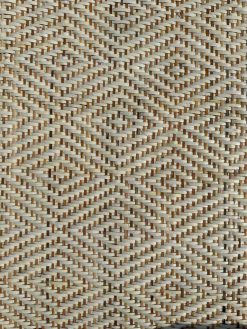
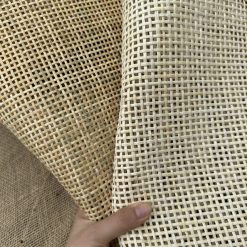


Rattan Cane Webbing was once a rustic element. Today, it enjoys a strong, modern resurgence. It is now a versatile material in furniture design. This woven product offers natural texture and visual lightness. It also provides excellent airflow. Its popularity reflects a shift toward sustainable, handcrafted items. This overview defines the material and covers its use and care.
Rattan Cane Webbing Defined
Rattan Cane Webbing is an artisanal product. It comes from the rattan palm. The rattan palm is a fast-growing vine in Southeast Asia. Rattan refers to the entire vine. Artisans use Cane to weave the sheets. Cane is the rattan pole's tough, glossy outer skin. Workers strip it into long, narrow strands. This outer layer is highly durable and non-porous. It provides the final product’s characteristic strength and smooth finish. The material has remarkable properties. It is highly flexible. It offers high tensile strength. Its low density contributes to light furniture pieces.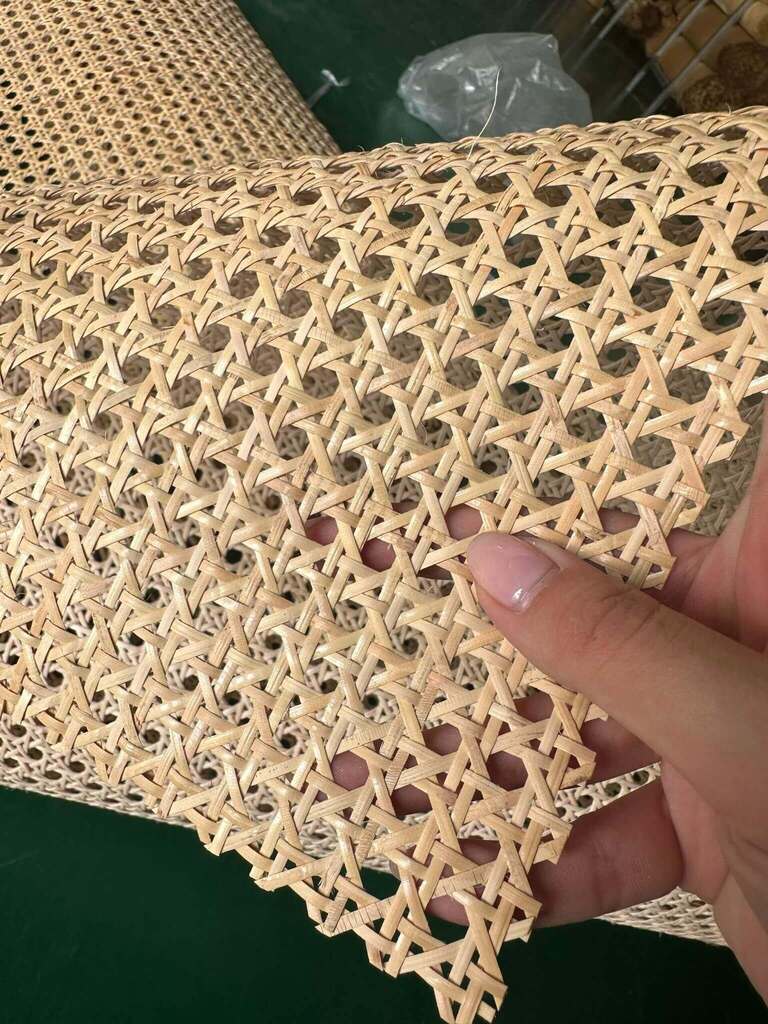
History and Significance of Rattan Cane Webbing
Cane weaving began in Southeast Asia. This tradition is deep in cultures like Vietnam and Indonesia. Rattan resources are abundant there. For centuries, local craftsmen used the material. They made practical items, like baskets and light furniture. Colonial trade routes helped the material expand globally. This happened during the 18th and 19th centuries. European makers adopted cane webbing for furniture. Cane offered a cooler, more hygienic seating solution. Heavy upholstery was less ideal. Today, the material remains a vital cultural and economic touchstone.Classification and Weave Patterns
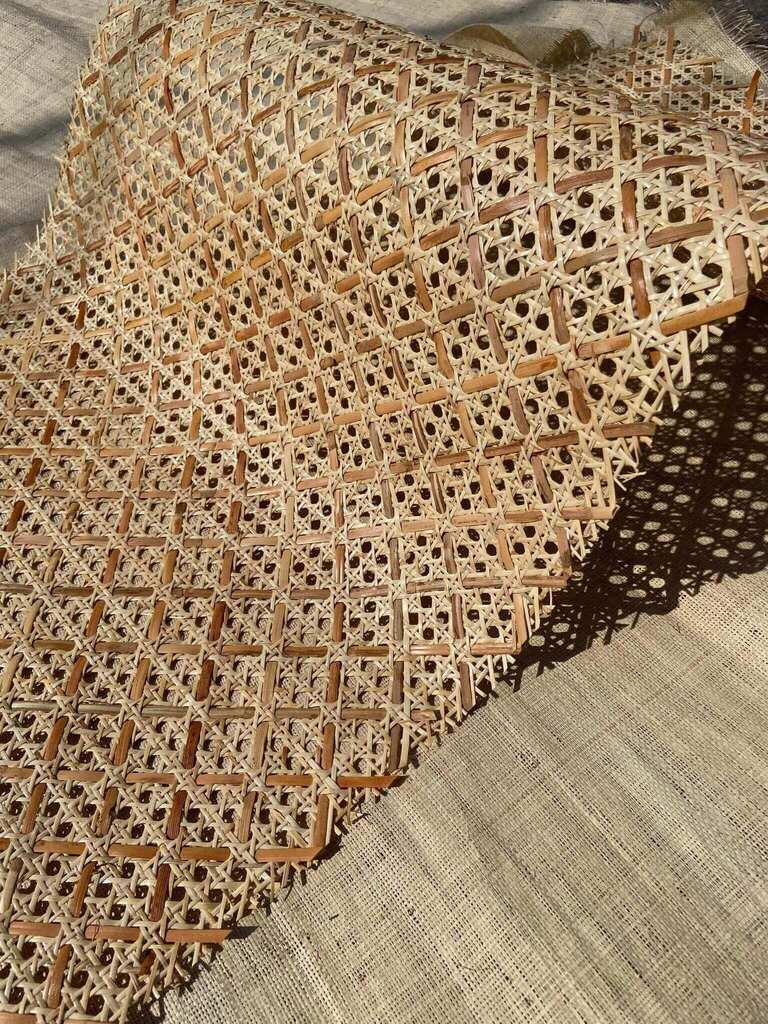
We classify cane webbing by its weave pattern. The pattern dictates its aesthetic and function.- Open Weave: This style is the most common. It uses a distinctive six-sided pattern. This open structure maximizes airflow and minimizes weight. It is ideal for chair backs and cabinet inserts.
- Closed Weave: This pattern is tighter. It features a more substantial construction. Designers use it for applications needing greater visual density.
Rattan Cane Webbing Production Process
Creating high-quality natural cane webbing remains a manual, labor-intensive process. It relies on traditional craftsmanship.- Harvesting and Preparation: Workers collect mature rattan poles. They clean, boil, and cure the poles. Curing ensures durability and color consistency.
- Splitting and Separating: Skilled artisans peel the glossy outer bark (cane). They separate it from the spongy inner core. They size the cane strips to uniform widths for weaving.
- Manual Weaving: Thin cane strands are intricately interlaced. This happens by hand or on semi-automated looms. The process requires continuous quality control. This ensures uniform tension and structural integrity.
Widespread Applications
Rattan cane webbing is a versatile design element. It is transformative across many interior applications.- Furniture: Its primary use is in seating. It provides light, breathable surfaces for chairs and armchairs.
- Cabinetry: It is highly popular in cabinetry. It replaces solid panels on door fronts. Cane adds texture and depth to minimalist storage.
- Decor and Accessories: We use the material in room dividers, lampshades, and mirror frames.
Advantages and Disadvantages of Rattan Cane Webbing

| Advantages | Disadvantages |
| High Aesthetic Value: Provides immediate textural warmth. | Vulnerable to Moisture: Water causes sagging, discoloration, or mold. |
| Excellent Ventilation: Woven structure ensures airflow. | Requires Periodic Care: Needs re-wetting to restore tension if it sags. |
| Sustainable: It is a natural, renewable, and low-impact resource. | Susceptible to Damage: Concentrated pressure can cause tears or punctures. |
| Lightweight Strength: Highly durable yet very light. |
Care and Maintenance Guide of Rattan Cane Webbing
A simple maintenance routine ensures the longevity of your cane webbing.- Regular Cleaning: Dust should be removed frequently. Use a dry cloth or a soft brush. You can also vacuum it carefully with a brush attachment.
- Moisture Management: Keep cane products in moderate humidity. Place them away from excessive heat or direct sunlight. Heat causes drying and brittleness.
- Re-wetting and Tightening: Webbing may begin to sag. Apply warm water lightly to the underside. Use a spray bottle or sponge. Natural drying will cause the cane to contract. This restores its original tension.
Conclusion
Rattan cane webbing is not a passing trend. It is a durable, time-tested material. Rattan Cane Webbing meets a growing desire for natural authenticity. It provides visual texture and practical ventilation. These qualities ensure its irreplaceable role in furniture making. Rattan is a renewable resource. Its manual processing positions it for a strong future in environmentally conscious design.Contact Information
For inquiries regarding the sourcing of high-quality natural cane webbing or large-volume supply of rattan cane webbing, please contact our team of material experts: VILATA COMPANY LIMITED- Address: Office 02, Pearl Plaza Building, 561A Dien Bien Phu, Ward 25, Binh Thanh District, Ho Chi Minh City, Vietnam
- Website: rattanvn.com
- Email: min.vilata@gmail.com
- Phone: +84.394.090.698
- Facebook: (1) Facebook


